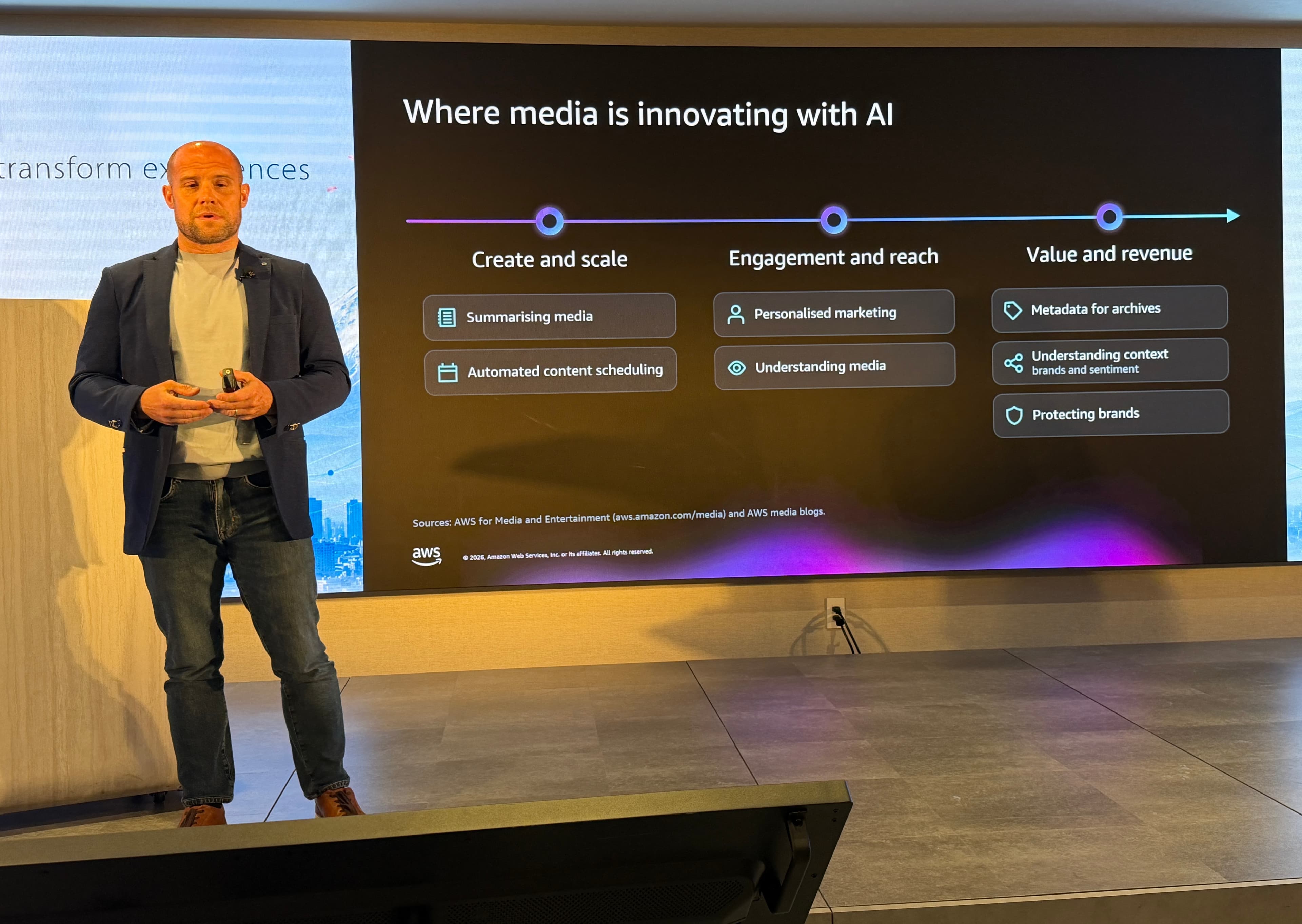
By Todd Murphy · 8 November 2026 · Reflections from FIBEP WMIC 2026, Tokyo
It seems that Japan is not behind on media intelligence. It measures audiences carefully and adopts AI quickly. What it might lack is a reliable path from insight to a named person making a call. That is a decision problem, not a data problem. I say that as someone who has spent more than 30 years building, running and exiting media intelligence companies, who has served as FIBEP President, and who advises growth-stage firms as a Growth Architect.
Key takeaways
Japan is strong at measurement and AI adoption but can be slow at turning insight into decisions.
Roland Berger's April 2026 executive survey points to unclear decision rights as a root cause.
Consensus builds buy-in. It does not assign accountability.
Track insight-to-decision time alongside outcome measures.
What Tokyo put on the table
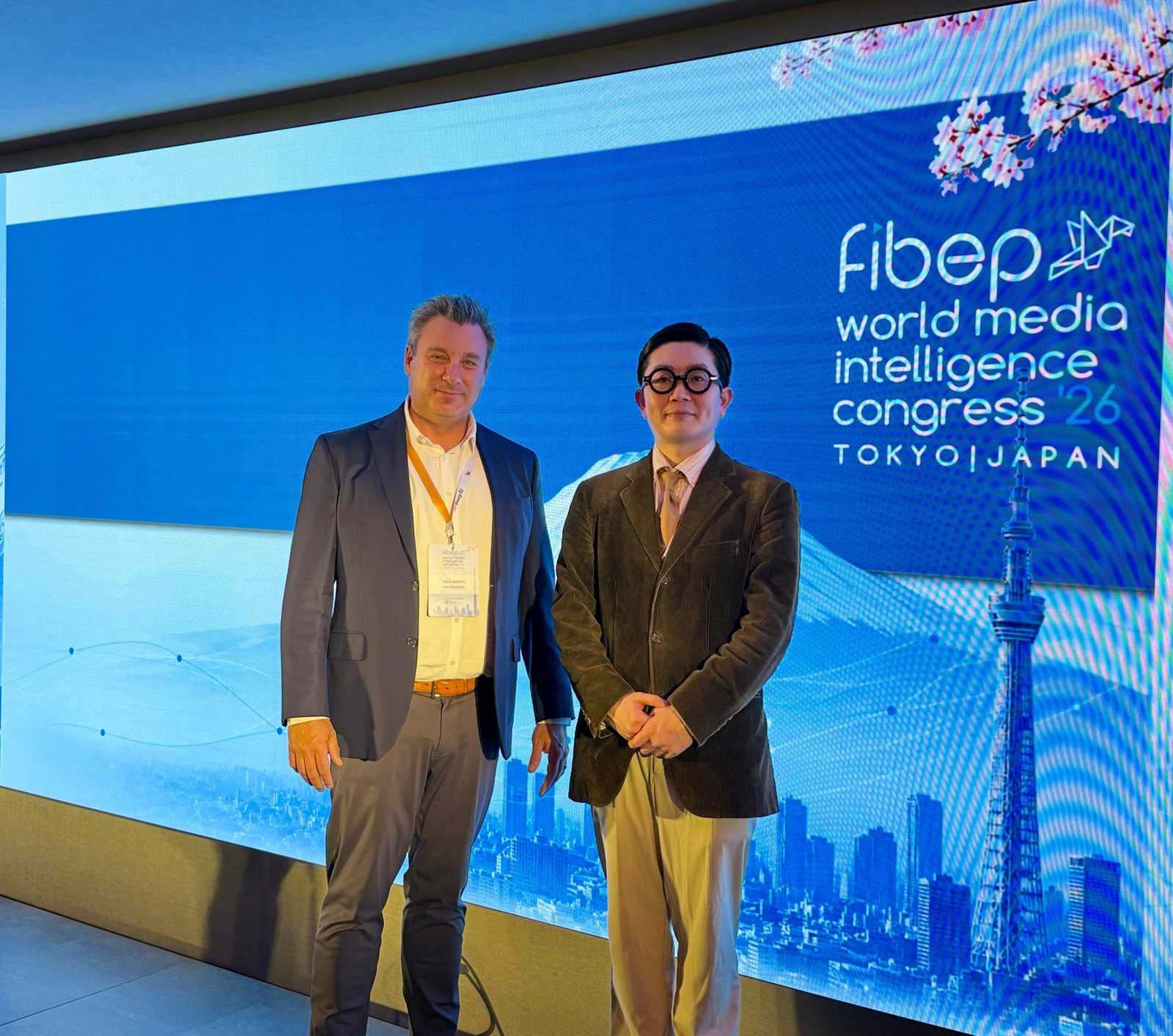
I spent three days at the FIBEP World Media Intelligence Congress in Tokyo, 3 to 5 November. The theme was Kaizen, and the agenda was candid about where improvement is hard. Sessions such as "The Human Layer: Why AI Investment Stalls, and What Leaders Can Do About It" and "Optimizing for AI: The New Rules of Being Found in a GEO World" named the tension directly. From my perspective, I look at any process and ask one thing first: who decides?
Some processes I saw were complicated enough that I would have cut about 40% of the steps. That figure is my instinct, not a statistic. The evidence behind the instinct points in one direction.
Japan senses well
The sensing is real. Nielsen launched four-screen deduplicated YouTube measurement in Japan in June 2026 and extended it to connected TV in August. A Japan Press Research Institute survey found the internet overtook commercial TV as the main daily news source for the first time. The government's 2026 white paper, as reported by MLex, puts generative AI use at 58.8% of individuals, up from 26.7%, and 86.4% of companies, up from 55.2%. Treat the size of that jump as directional, since survey design may differ between years.
Japan acts slowly
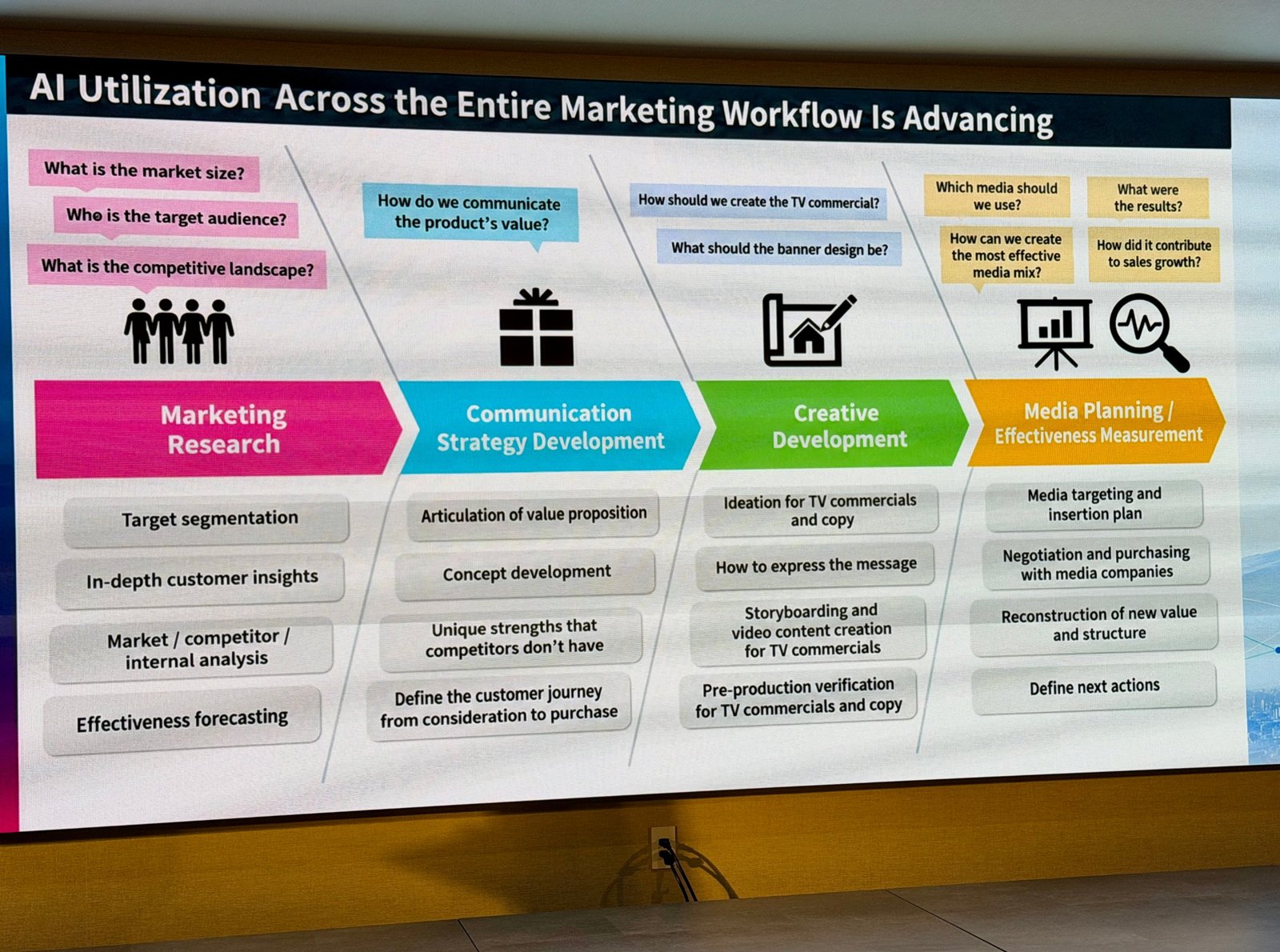
Acting is weaker. Japan ranked 67th of 67 economies on company agility in IMD's 2024 digital ranking, so read that as a 2024 result. IPA survey reporting shows high AI trial and low AI built into business processes. In the Reuters Institute 2026 Japan chapter, 74 of 79 newspapers earn under 5% of revenue digitally. One slide in Tokyo mapped AI across the whole marketing workflow, and its final step read "Define next actions." Using AI and running on AI are different things.
Why nobody is sure who decides
The best evidence on cause is Roland Berger's April 2026 survey of 200 executives at listed Japanese companies. It is self-reported, so read it as executive perception. Respondents said 60% of the decisions they make are ones they should not be making, and about 75% of decisions are revised before execution. In 60% of companies, the wall between divisions and corporate functions is a bottleneck.
Nemawashi and ringi are not the villains. Japanese firms are often described as slow to decide and fast to execute, which is a real strength. The trouble starts when consensus replaces ownership. Consensus builds buy-in. It does not assign accountability. In my read, many of those steps spread accountability rather than create it. Remove steps without fixing decision rights and the loop simply moves.
What I would do about it
These are my recommendations, not findings.
Name one owner per insight stream before building the dashboard.
Set delegation thresholds so that below a defined value or risk level, one person decides.
Cap and publish the number of approvers for each decision type.
Launch every pilot with success criteria and a stop date.
Track insight-to-decision time alongside outcome measures in frameworks like AMEC's.
The future of work angle
Talent is moving faster than the decision system. Japanese companies hired more mid-career staff than new graduates in 2024, according to a Straits Times report. A Robert Walters survey from April 2026 found 34% of those who want management roles and see them as necessary are already job hunting. As a Growth Architect, I see the same shift in growth-stage companies. Value moves from reporting what happened to owning what happens next. AI absorbs the collecting and summarizing. Judgment is what remains.

The question for the rest of us
Japan has world-class measurement, fast-rising AI use and an audience that has moved online. What it has not built is the path from insight to a named owner. The follow-up is for my own industry. How many of our clients buy insight faster than they can act on it? The session "The Adaptive Intelligence Loop: From Continuous Improvement to Continuous Intelligence" framed the opportunity well. Kaizen applied to the decision layer may be the highest-value project left.
Frequently asked questions
Is Japan behind on media intelligence?
No. Japan has advanced audience measurement, including four-screen deduplication from Nielsen, and fast-rising AI adoption. The gap is in acting on insight, not in collecting it.
What is the decision problem in Japanese media intelligence?
It is the delay between an insight being available and a named person deciding to act. Survey evidence points to unclear decision rights, multiple approvers and decisions revised before execution.
What is insight-to-decision time?
It is the elapsed time between an insight being delivered and a decision being made on it. It complements AMEC-style outcome measurement by showing where insight stalls.
When and where was WMIC 2026?
The FIBEP World Media Intelligence Congress took place in Tokyo, Japan, from 3 to 5 November 2026.
Sources
Figures are as reported by the sources below. Several are secondary reports and are labeled as such in the text.